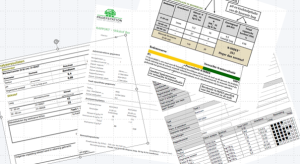
An analysis of N recommendations
Project type:
Demo project of Agentschap Landbouw en Zeevisserij
Duration:
01/01/2025 - 31/12/2026
Theme(s):
Soil and fertilization
Short summary:
For several decades now, the practical centres have been promoting the use of fertilisation advice in vegetable growing as one of the most important ways of achieving both an economically viable and high-quality harvest and minimising the environmental impact of nutrients.
For several decades now, the practical centres have been promoting the use of fertilisation advice in vegetable cultivation as one of the most important ways of achieving both an economically viable and high-quality harvest and minimising the environmental impact of nutrients. Good fertilisation advice requires a good flow of information from the farmer to the fertilisation adviser and vice versa. Practical experience shows that this information is often not passed on to the adviser or the laboratory at all, or is provided only to a limited extent or incompletely. Farmers often underestimate the importance of this crucial information, yet it is precisely this information that ensures a fertilisation recommendation realises its full potential. Nevertheless, according to a recent article, farmers do not always find fertilisation advice to be entirely reliable and therefore do not follow it properly. As fertilisation advice is currently the best tool for applying fertiliser judiciously, we want to dispel this mistrust and ensure that the correct information reaches sample collectors or laboratories more effectively.
This project involves working in close consultation with vegetable growers to identify the actual bottlenecks and examine the growers’ concerns and needs. On this basis, fertilisation recommendations can be optimised in a targeted manner so that they meet the growers’ actual expectations. The aim is to produce fertilisation recommendations that are widely supported by vegetable growers, are clearly set out and inspire confidence.
It also demonstrates the importance of obtaining the correct information. Through demonstrations, we show the difference between advice based on complete information and advice based on the information we actually receive in practice. A second aim is therefore to emphasise the importance of fertilisation advice and the need for sufficient information.